Understanding Wood-Boring Insects and Their Impact
Wood-boring insects, particularly woodworms, pose a significant threat to wooden structures across various environments, from residential homes to commercial warehouses. The risk extends beyond mere aesthetic damage; infestations can compromise structural integrity, leading to costly repairs and potential safety hazards. In 2026, as awareness grows concerning the implications of this pest problem, it's crucial for homeowners and businesses to explore effective, eco-friendly solutions. When exploring options, SHASHEL® provides comprehensive insights into innovative pest control technologies that prioritize safety and efficacy.
What are Woodworms and Their Life Cycle?
Woodworms are not a single species but a collective term for various wood-boring larvae, primarily belonging to families such as Anobiidae and Cerambycidae. The life cycle of woodworms involves several stages: egg, larva, pupa, and adult. Initially, females lay eggs on or in wood, and upon hatching, the larvae burrow into the wood to feed, creating tunnels. This feeding activity weakens the wood over time. A woodworm can remain dormant for several years, making it particularly insidious—by the time their presence becomes evident, substantial damage may have already occurred.
The Consequences of Wood Damage in Structures
The impact of woodworm infestations extends beyond cosmetic issues, leading to serious structural damage in affected buildings. Key consequences include:
- Structural Integrity Compromise: Wood serves as a primary load-bearing element in many constructions. Damage from woodworms can weaken beams, floors, and supports, creating safety risks.
- Increased Maintenance Costs: Repairing damage caused by infestations can be costly and labor-intensive. This ongoing expense can significantly impact budgets for homeowners and businesses alike.
- Decreased Property Value: Properties that exhibit signs of pest damage often experience diminished market value. Buyers are wary of potential future expenses and may seek discounts or avoid such properties altogether.
Misconceptions About Chemical Treatments
Many still rely on traditional chemical treatments for pest control, assuming they are the most effective solution. However, misconceptions abound regarding these methods. Firstly, while chemical treatments may kill pests, they often do not address the root cause, allowing future infestations to occur. Furthermore, chemical residues can pose health risks to inhabitants and pets, raising questions about safety and environmental impact. This has led to an increasing demand for safer alternatives, like those offered by SHASHEL®.
The SHASHEL® Advantage: Revolutionary Microwave Technology
How SHASHEL® Works: The Science Behind Microwave Pest Control
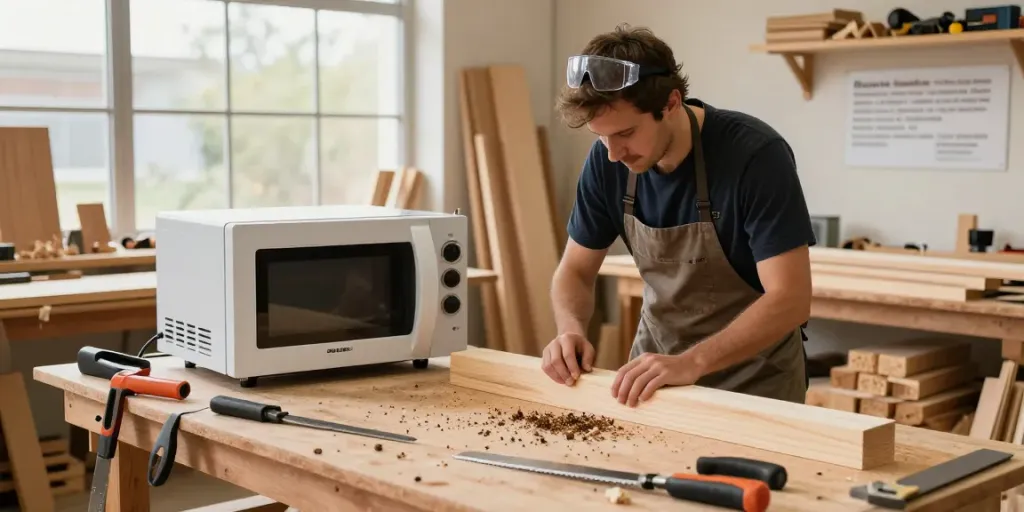
The SHASHEL® system employs microwave technology to eliminate wood-boring insects effectively. Unlike chemical treatments, which rely on toxic substances, microwave pest control heats the wood internally. As microwaves penetrate the material, they generate heat that reaches lethal temperatures for woodworms and their larvae. This approach ensures that both pests and their eggs are eradicated without damaging the wood structure itself.
Comparison of SHASHEL® with Traditional Methods
When evaluating pest control methods, it's essential to consider the advantages SHASHEL® provides over traditional treatments:
- Speed and Efficiency: The SHASHEL® method achieves results in a matter of minutes, whereas chemical treatments may require prolonged application times.
- Environmentally Friendly: As a chemical-free solution, SHASHEL® poses no risk to the surrounding environment, making it ideal for sustainable practices.
- Deeper Penetration: Microwaves achieve a more uniform heating effect, penetrating deeply into the wood to target hidden infestations, ensuring that no larvae remain.
Benefits of Chemical-Free Solutions for Homeowners
Homeowners seeking pest control solutions are increasingly looking for chemical-free options. The benefits include:
- Safety: With no toxic chemicals used, homes treated with SHASHEL® technology maintain a safe environment for residents and pets.
- Longer Lasting Results: Microwaves kill pests effectively at all life stages, reducing the likelihood of repeat infestations.
- Ease of Use: SHASHEL® equipment is designed for straightforward operation, allowing even non-professionals to conduct pest control with minimal training.
Implementing SHASHEL® Solutions in Your Business
Step-by-Step Guide to Using SHASHEL® Equipment Effectively
To effectively implement SHASHEL® technology in your pest control efforts, consider the following steps:
- Assessment: Evaluate the extent of the infestation and identify the specific areas requiring treatment.
- Preparation: Clear the area of any obstructions and ensure the equipment is in proper working order.
- Application: Operate the SHASHEL® device according to the manufacturer's guidelines, targeting the affected wood.
- Monitoring: After treatment, monitor the area for any signs of pest activity and follow up as necessary.
Best Practices for Wood Treatment in Various Settings
The effectiveness of SHASHEL® solutions can vary based on the environment and type of wood. Here are some best practices to maximize results:
- Temperature Settings: Adjust the microwave settings based on the wood type to ensure proper heating without causing damage.
- Timing: Pay attention to the duration of exposure; under-treating may leave pests alive, while over-treating could damage materials.
- Regular Inspections: Schedule routine checks to catch any new infestations early and apply preventive measures as needed.
Case Studies: Successful Implementations of SHASHEL® Technology
Numerous case studies demonstrate the success of SHASHEL® technology in various settings:
- A Historic Ship Restoration: SHASHEL® equipment was used to treat and preserve wooden components of a historic ship, eliminating woodworm without compromising the integrity of the structure.
- A Large Warehouse Facility: In a commercial setting, SHASHEL® provided an efficient and quick solution for a widespread infestation, protecting valuable inventory.
- Residential Treatment: Homeowners reported satisfaction with the absence of pests while preserving the aesthetic appeal of their wooden furniture and flooring.
Maximizing Customer Satisfaction with SHASHEL®
Delivering Exceptional Service Through Pest Control Expertise
To maximize customer satisfaction when offering SHASHEL® solutions, pest control businesses should focus on providing knowledgeable service. This includes:
- Education: Informing clients about the benefits and process of using SHASHEL® technology enhances their confidence in the treatment.
- Follow-Up: Schedule follow-up inspections to ensure the success of treatments and address any new concerns.
- Feedback Collection: Solicit customer feedback to improve service quality and adapt to client needs effectively.
Building Trust with Clients: Educating on Benefits
Clients appreciate transparency regarding treatment methods. By educating them on how SHASHEL® technology works, businesses can foster trust and loyalty. Providing case studies and testimonials can further reassure clients about their choices.
Post-Treatment Support and Follow-Up Strategies
An effective post-treatment strategy is critical for maintaining long-term satisfaction. Suggested practices include:
- Preventive Maintenance Programs: Offering maintenance contracts to regularly check wooden structures can mitigate future infestations.
- Resource Provision: Providing informational materials on how to prevent infestations helps empower clients.
- Customer Service Hotlines: Establishing a hotline for post-treatment queries demonstrates commitment to client care.
Future Trends in Pest Control: What to Expect by 2026
Innovations in Eco-Friendly Pest Control Technologies
The pest control industry is on the brink of significant innovations, especially toward eco-friendly measures. Advances in technology will likely focus on:
- Smart Systems: Integrating pest detection technology with IoT devices for real-time monitoring.
- AI Applications: Using artificial intelligence to predict infestation patterns and optimize treatment schedules.
- Biological Controls: Exploring the use of natural predators as a sustainable pest management strategy.
The Growing Demand for Sustainable Solutions
As society becomes increasingly conscious of environmental impacts, the demand for sustainable pest control solutions will rise. SHASHEL® positions itself at the forefront of this trend by offering effective treatments that prioritize safety and ecological balance.
Preparing Your Business for Industry Changes and Advancements
Businesses in the pest control sector should proactively adapt to these changes by investing in training and technology. Continuous learning opportunities and keeping abreast of industry developments will enable businesses to remain competitive.
What are the Long-term Implications for Wood Treatment?
The implications of adopting advanced technologies like SHASHEL® for wood treatment are vast. Expect enhanced results, lower costs over time, and reduced environmental impact, leading toward a more sustainable future in pest control.
How is SHASHEL® Positioned for Future Success?
With its innovative approach to pest management, SHASHEL® is well-positioned for continued growth. As awareness of the benefits of chemical-free solutions spreads, the brand can effectively meet the increasing demand for safe, efficient wood treatment processes.