Understanding 5 Axis CNC Machining
In today's fast-paced manufacturing landscape, businesses are constantly seeking ways to enhance precision and efficiency. Among the various technologies available, 5 axis cnc machining stands out as a game-changer, providing unparalleled capabilities for complex part production. This advanced manufacturing technique enables the machining of intricate shapes with exceptional accuracy, making it a crucial asset in industries such as aerospace, automotive, and medical devices.
What is 5 Axis CNC Machining?
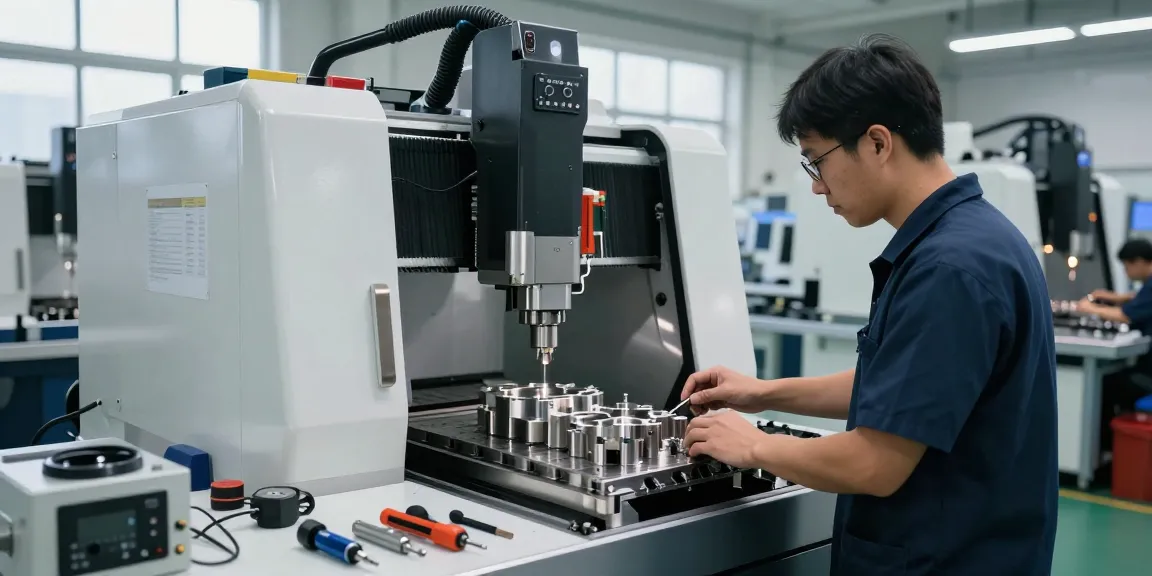
5 Axis CNC machining refers to a computer-controlled machining process that utilizes five axes of movement to create precision parts. Unlike traditional 3-axis machining, where the tool moves in three linear directions (X, Y, Z), 5 axis machining adds two additional rotational axes (A and B). This enhanced capability allows for the simultaneous movement of the cutting tool and the workpiece, enabling the production of more complex geometries and reducing the need for multiple setups.
Key Benefits of 5 Axis CNC Machining
- Enhanced Precision: The added axes allow for more accurate machining of intricate parts, reducing the risk of error.
- Fewer Setups: The ability to reach multiple angles without repositioning the part leads to shorter lead times and lower production costs.
- Improved Surface Finish: The advanced capabilities of 5 axis machines can result in superior surface finishes, essential for industries requiring high quality.
- Material Efficiency: With precise tool paths, less material is wasted, contributing to a more sustainable manufacturing process.
How 5 Axis CNC Machining Works
The operation of a 5 axis CNC machine involves complex programming and sophisticated algorithms. The process begins with the creation of a 3D model, which is then converted into a CNC program using CAD/CAM software. This program instructs the machine on how to move in five dimensions, guiding the cutting tool to follow intricate contours and shapes. As the program runs, the machine adjusts dynamically, ensuring that the tool remains in optimal alignment with the workpiece throughout the machining process.
Applications of 5 Axis CNC Machining
5 Axis CNC machining is applicable across various industries, each benefiting from its unique advantages. By leveraging this technology, manufacturers can meet the specific demands of their sectors more effectively.
5 Axis CNC Machining in Aerospace
In the aerospace sector, components must adhere to the highest standards of quality and precision. 5 axis CNC machining enables manufacturers to produce complex parts such as turbine blades and airframe structures efficiently. The technology's ability to handle difficult geometries and tight tolerances makes it indispensable for ensuring safety and performance in aviation.
5 Axis CNC Machining for Medical Devices
The medical device industry also leverages 5 axis CNC machining for the production of intricate components like surgical instruments and implantable devices. Precision is paramount in this field, and the capability to produce complex shapes ensures that medical devices function correctly and meet regulatory standards.
Utilizing 5 Axis CNC Machining in Automotive Manufacturing
Automotive manufacturers are increasingly turning to 5 axis CNC machining to create custom parts and tooling. The technology allows for the production of lightweight components that contribute to overall vehicle efficiency, as well as intricate designs that enhance performance. This is particularly important as the industry moves towards electric and hybrid vehicles, which require innovative solutions.
Challenges in Implementing 5 Axis CNC Machining
Despite its advantages, adopting 5 axis CNC machining is not without challenges. Manufacturers must navigate various hurdles to fully optimize this technology for their operations.
Common Misconceptions About 5 Axis CNC Machining
One common misconception is that 5 axis machining is only necessary for highly complex parts. While it's true that this technology excels in intricate operations, it is equally beneficial for simpler components that require tight tolerances and high-volume production.
Technical Challenges and Solutions
Implementing 5 axis CNC machining may pose technical challenges such as programming complexity and machine setup. Manufacturers can address these issues by investing in comprehensive training for operators, utilizing advanced software solutions, and maintaining regular equipment calibration to ensure optimal performance.
Cost Considerations in 5 Axis CNC Machining
The upfront cost of 5 axis CNC machines can be significant. However, manufacturers may find that the long-term savings from reduced cycle times, lower material waste, and improved accuracy offset the initial investment. Analyzing the total cost of ownership is essential to determine the return on investment.
Best Practices for Effective 5 Axis CNC Machining
To harness the full potential of 5 axis CNC machining, manufacturers should adopt best practices that promote efficiency and precision.
Optimizing Tool Path Strategies
Using advanced tool path strategies can significantly enhance machining efficiency. Techniques such as high-speed machining and adaptive tool paths can minimize cycle times while maintaining high-quality results.
Material Selection for 5 Axis CNC Machining
Choosing the right material is critical for achieving the desired properties in the final product. Manufacturers should consider factors such as strength, weight, and machinability when selecting materials for 5 axis machining applications.
Maintaining Equipment for Precision and Quality
Regular maintenance of 5 axis CNC machines is vital to ensure precision and reliability. Establishing a maintenance schedule that includes routine inspections, lubrication, and calibration can prevent unexpected downtime and extend the lifespan of the equipment.
Future Trends and Developments in 5 Axis CNC Machining
The landscape of 5 axis CNC machining is continuously evolving, driven by technological advancements and industry demands.
Technological Innovations Shaping 5 Axis CNC Machining
Emerging technologies such as artificial intelligence and machine learning are poised to enhance 5 axis CNC machining capabilities. These innovations can lead to smarter process optimization, predictive maintenance, and improved quality control, further solidifying 5 axis machining's role in modern manufacturing.
Sustainability Considerations in Manufacturing
As industries shift towards more sustainable practices, 5 axis CNC machining can contribute by minimizing waste and energy consumption. Advances in machining technology will focus on enhancing efficiency while reducing the environmental impact of manufacturing processes.
Predictions for 5 Axis CNC Machining in 2026 and Beyond
Looking ahead, the demand for 5 axis CNC machining is expected to grow as industries seek more advanced manufacturing solutions. By 2026, we may witness greater integration of automation, allowing manufacturers to further streamline operations and improve productivity.
What materials can be machined using 5 axis CNC?
5 axis CNC machining can handle a wide range of materials, including metals like aluminum, titanium, and stainless steel, as well as plastics and composites. Each material presents unique machining challenges and benefits, making material selection an essential consideration for optimal outcomes.
How does 5 axis machining improve part accuracy?
The simultaneous movement of both the cutting tool and workpiece in 5 axis CNC machining ensures that complex geometries are crafted with high accuracy. This method reduces errors associated with repositioning and enables manufacturers to achieve tight tolerances easily.
What industries benefit most from 5 axis CNC machining?
Industries such as aerospace, automotive, medical devices, and electronics benefit significantly from 5 axis CNC machining. The technology provides solutions that meet the rigorous demands for precision, efficiency, and high-quality finishes essential in these sectors.
Are there limitations to 5 axis CNC machining?
While 5 axis CNC machining offers many advantages, it does have limitations. The complexity of programming and the need for skilled operators can pose challenges. Additionally, the cost of machinery and maintenance may deter small businesses from adopting this technology.
How to choose a reliable 5 axis CNC machining service?
When selecting a 5 axis CNC machining service, consider factors such as the provider's experience, technology used, and client reviews. A reliable service will have a proven track record in delivering high-quality parts and maintaining effective communication throughout the manufacturing process.