Understanding Industrial Crane Manufacturing
In the realm of industrial operations, cranes are indispensable for enhancing productivity and safety during lifting operations. An industrial crane manufacturer is pivotal in providing a range of lifting solutions tailored to meet the unique needs of various sectors, including construction, manufacturing, and logistics. With the rising demand for efficient and safe lifting solutions, choosing the right manufacturer is more critical than ever. Whether you’re looking for overhead cranes, gantry cranes, or electric hoists, understanding the offerings of an industrial crane manufacturer China can significantly impact your operational efficiency.
What is an Industrial Crane Manufacturer?
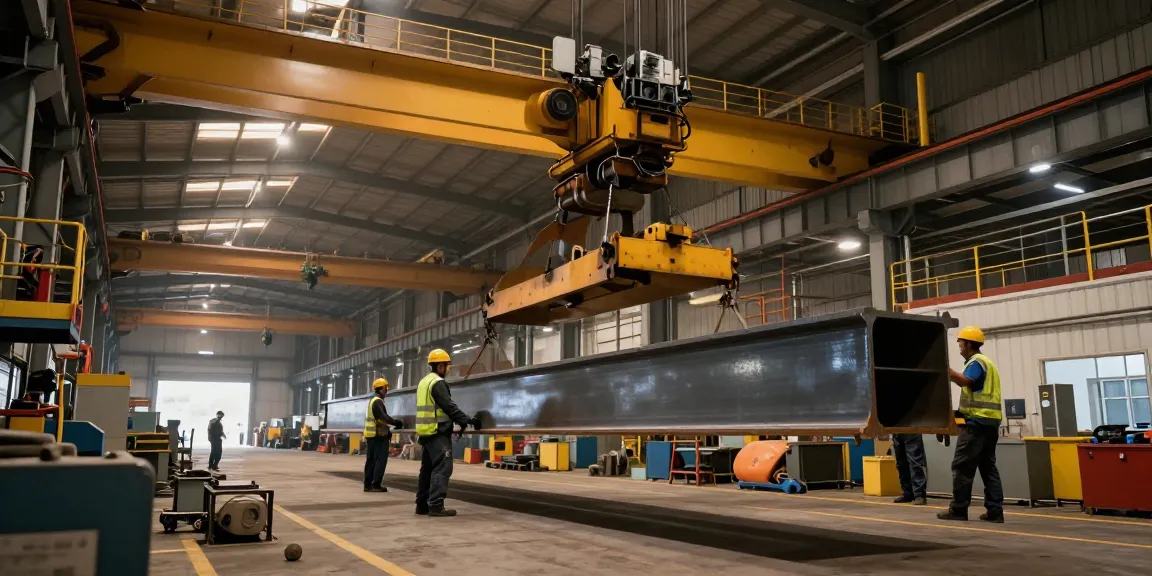
An industrial crane manufacturer specializes in designing, producing, and maintaining cranes that facilitate lifting operations in industrial environments. These manufacturers are equipped with the technical expertise and technological capabilities to construct cranes that meet rigorous safety and performance standards. They develop various crane types to accommodate different lifting requirements, from standard applications to specialized heavy-lifting needs.
Key Types of Industrial Cranes and Their Applications
Industrial crane manufacturers typically produce the following types of cranes, each suited for specific applications:
- Overhead Cranes: Ideal for indoor environments, these cranes are used in workshops and factories for moving heavy materials across great distances.
- Gantry Cranes: Often employed in outdoor settings, gantry cranes are designed for yard and port operations where heavy loads need to be transported over large spans.
- Electric Hoists: These compact lifting devices are typically mounted on cranes or monorails, providing precise lifting capabilities for various applications.
Importance of Quality in Crane Manufacturing
Quality is paramount in crane manufacturing since substandard equipment can lead to safety hazards, costly downtime, and reduced operational efficiency. Reputable manufacturers adhere to international quality standards, such as ISO 9001, ensuring that their products are reliable, durable, and safe to operate. Moreover, effective quality control systems throughout the manufacturing process help identify and mitigate potential issues before cranes reach the end-user.
Common Mistakes to Avoid in Crane Procurement
When procuring cranes, organizations should be wary of several common pitfalls that can hinder project success and operational safety. Awareness of these mistakes can lead to more informed purchasing decisions.
Neglecting Safety Standards and Compliance
One of the gravest errors in crane procurement is overlooking safety standards and compliance regulations. Each region has specific safety codes and standards that cranes must meet to operate legally and safely. Failing to align with these can lead to serious legal repercussions, injuries, or project delays.
Overlooking Customization Options for Specific Needs
Every industrial operation has unique lifting challenges. Manufacturers often provide customization options to tailor cranes to specific requirements, including load capacity, span, and environmental conditions. Neglecting to explore these options may result in purchasing equipment that doesn't fully meet operational needs.
Failing to Evaluate Manufacturer Credentials
Not all manufacturers are created equal. It's vital to conduct thorough due diligence on potential suppliers, assessing their certifications, experience, and customer reviews. This scrutiny ensures that you partner with a reliable manufacturer who can deliver quality products and support.
Best Practices for Selecting a Reliable Crane Manufacturer
Selecting the right crane manufacturer is crucial for operational success. Here are best practices to consider:
Conducting Thorough Research and Due Diligence
Engage in comprehensive research to identify potential manufacturers. Look for industry reputation, previous project experience, and customer testimonials. This investigation assists in narrowing down options to those that align with your specific requirements.
Understanding Regulatory and Compliance Requirements
Familiarize yourself with the regulatory landscape affecting your industry. Consider how compliance can impact your procurement process, as manufacturers should be well-versed in the necessary safety standards and regulations.
Requesting Detailed Technical Documentation
Before finalizing a purchase, request detailed technical documentation, including specifications, compliance certificates, and maintenance guidelines. This information will provide insight into the crane’s capabilities and how it fits your operational parameters.
Maximizing Crane Performance and Efficiency
To ensure your cranes operate at peak performance, consider the following strategies:
Regular Maintenance and Safety Inspections
Establishing a routine maintenance schedule is vital for long-term performance. Regular inspections help identify wear and tear, ensuring safety and efficiency. Engaging with your crane manufacturer about recommended maintenance practices can improve service life and decrease unexpected downtime.
Implementing Advanced Technologies and Controls
Integrating modern technologies such as automation and real-time monitoring systems can enhance crane performance. These advanced solutions enable precise control, leading to improved lifting accuracy and reduced operational costs.
Training and Development for Operators
Invest in ongoing training for crane operators to enhance safety and efficiency. A well-trained workforce is better equipped to handle cranes responsibly, minimizing risks and optimizing productivity.
Future Trends in Crane Manufacturing and Operations
The industrial crane sector continues to evolve, shaped by technological advancements and changing market demands. Here are some notable trends to watch for in the coming years:
Adoption of Automation and Smart Technologies
As industries continue to embrace Industry 4.0, the use of automated cranes will increase. Smart technologies allow for greater precision and efficiency, enabling cranes to operate autonomously, thereby reducing the risk of human error.
Environmental Sustainability in Crane Design
Manufacturers are increasingly focusing on sustainable practices, including environmentally friendly materials and energy-efficient designs. This shift not only addresses regulatory pressures but also appeals to consumers prioritizing sustainability.
Predictions for the Industry by 2026
By 2026, we anticipate a greater push towards the integration of data analytics and IoT (Internet of Things) in crane systems. These innovations will transform how maintenance is conducted and operational efficiency is monitored, leading towards improved longevity and performance.
What is the process for requesting a custom crane solution?
Requesting a custom crane solution typically involves contacting the manufacturer to discuss specific lifting requirements. After assessing your needs, they will provide design proposals and technical documentation for your review.
How do safety standards affect crane operation?
Safety standards dictate the design, construction, and operational protocols for cranes. Compliance with these standards ensures that cranes are safe to operate, significantly reducing the risk of accidents or failures in the workplace.
What are the benefits of choosing a certified crane manufacturer?
Opting for a certified manufacturer guarantees adherence to industry standards and regulations, resulting in higher-quality products. Certifications indicate a commitment to safety and reliability, which is crucial for operational integrity.
Why should I consider maintenance plans for my cranes?
Maintenance plans are essential for preventing unexpected breakdowns and ensuring operational efficiency. A well-structured maintenance strategy can help extend the lifespan of your cranes while reducing overall operational costs.
What innovations are leading the industrial crane industry?
Key innovations in the industry include the use of smart sensors, enhanced robotics, and improved material technologies. These developments focus on increasing safety, improving efficiency, and lowering operational costs.