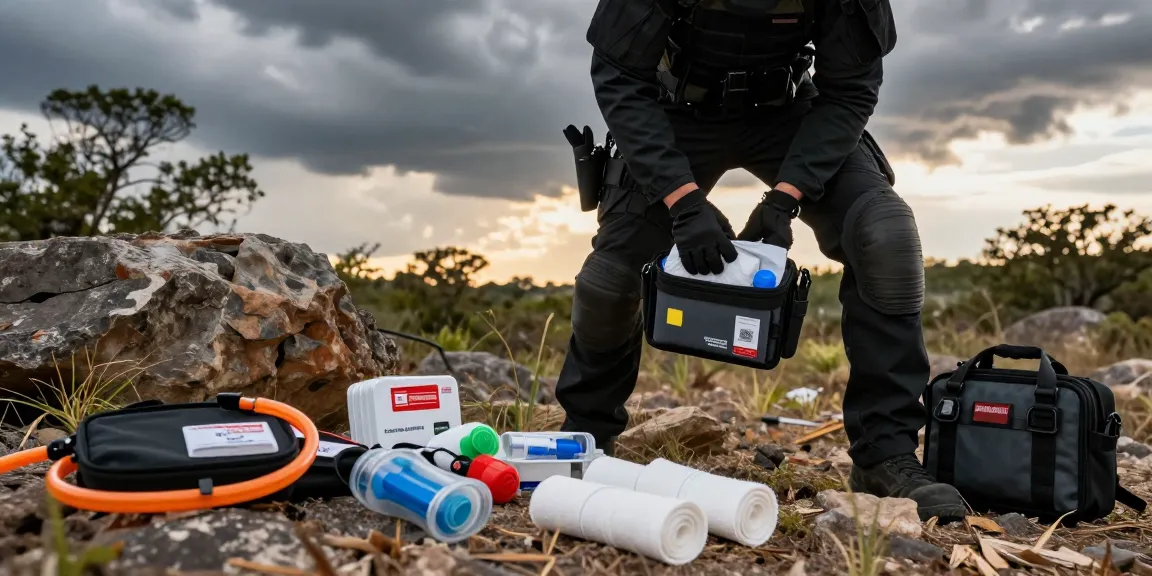
Understanding the Micro Trauma Kit: A Comprehensive Overview
The Micro Trauma Kit is an essential component for anyone who operates in environments with potential medical emergencies. Designed for quick access and efficient use in high-pressure situations, these kits serve as a lifeline when every second counts. Whether you are a law enforcement officer, an outdoor enthusiast, or simply someone concerned about personal safety, having a reliable Micro Trauma Kit can make a significant difference in emergency response. When exploring options, the Micro Trauma Kit by FlareSyn™ stands out as an exemplary choice.
What is a Micro Trauma Kit?
A Micro Trauma Kit is a compact and portable first aid kit specifically designed to address traumatic injuries. Unlike generic first aid kits, a Micro Trauma Kit includes specialized supplies aimed at controlling severe bleeding, airway management, and other critical interventions that may be required in extreme situations. These kits are typically pre-filled with essential components for immediate deployment and can be easily carried in vehicles, bags, or on duty belts.
Key Components of an Effective Micro Trauma Kit
To be effective in emergency situations, a Micro Trauma Kit should include various critical items. Here are the key components:
- Tourniquet: Essential for controlling life-threatening extremity bleeding.
- Hemostatic Agents: Used to promote rapid clotting of blood.
- Compression Bandages: Vital for applying pressure to stop blood flow.
- Chest Seals: Necessary for treating open chest wounds.
- Airway Management Tools: Such as oropharyngeal airways to maintain patient breathing.
Importance of Accessibility in Emergency Situations
In high-stress scenarios, speed and efficiency can be the difference between life and death. Therefore, the accessibility of your Micro Trauma Kit is paramount. Choosing a kit with intuitive layouts and quick-deploy features can significantly enhance your ability to provide aid effectively. This not only involves having easy access to the kit itself but also ensuring that the contents are arranged in a manner that allows for rapid retrieval of the necessary tools.
Choosing the Right Micro Trauma Kit for Your Needs
Assessing Your Environment: When to Use a Micro Trauma Kit
Determining the right Micro Trauma Kit starts with assessing the environments in which you will be operating. For law enforcement officers or military personnel, a more robust kit that adheres to M.A.R.C.H. protocols is essential. Conversely, someone engaging in outdoor activities may opt for a lighter version focused on common injuries encountered in nature. Understanding the specific risks associated with your activities will guide you in selecting the most appropriate kit.
Evaluating Kit Contents: Essential Items to Include
When selecting a Micro Trauma Kit, consider the specific contents that best meet your needs. Essential items should include:
- Durable packaging that ensures waterproofing and protection against the elements.
- A variety of bandages, including both sterile and non-sterile options.
- A comprehensive guide on how to use each item effectively.
- Expandable compartments for additional items or personal medications.
Comparing Pre-filled Kits vs. Customizable Options
Micro Trauma Kits are available in two primary forms: pre-filled and customizable. Pre-filled kits come with a standard set of supplies deemed crucial for most situations. These are convenient for immediate use but may not cater to specific needs. Customizable kits allow you to build a kit suited to your personal circumstances, but require more planning and awareness of potential injuries you may face.
Best Practices for Using a Micro Trauma Kit in Emergencies
Quick Deployment Techniques: Saving Valuable Seconds
Efficient use of your Micro Trauma Kit hinges on your ability to deploy it quickly. Familiarize yourself with the kit’s arrangement and practice retrieving items in a calm, methodical manner. Techniques such as practicing the “quick-pull” system can drastically reduce the time it takes to access essential tools.
Step-by-Step Guide to Performing Basic Trauma Care
When trauma occurs, following a systematic approach to care is crucial. Basic steps include:
- Assess the scene for safety.
- Determine the severity of the injury and prioritize responses.
- Apply necessary interventions such as tourniquets or bandaging.
- Monitor the patient’s condition and prepare for further medical assistance.
Common Mistakes to Avoid When Using a Micro Trauma Kit
In stressful situations, it’s easy to make mistakes. Common errors include forgetting to check for updates on supplies or applying first aid incorrectly. Always ensure your training includes correct usage and that you regularly inspect your kit for expired components.
Maintaining Your Micro Trauma Kit for Optimal Performance
Regular Inspection: Ensuring Supplies Are Up-to-Date
To maintain your Micro Trauma Kit’s effectiveness, conduct regular inspections. Check expiration dates on all items and replace anything that shows signs of wear, such as torn packaging or damaged contents. A proactive approach can save valuable time during emergencies.
Restocking Procedures: What To Replace and When
After each use, restock your kit immediately. Keeping a checklist of what is included in your Micro Trauma Kit can help streamline this process. Regularly review your supplies at predetermined intervals, such as quarterly, to ensure readiness.
Storage Solutions: Keeping Your Kit Ready for Action
Store your Micro Trauma Kit in a location that is not only accessible but also protected from environmental factors that could compromise its contents. Consider using waterproof containers or pouches for additional protection, especially in outdoor scenarios.
Future Trends in Micro Trauma Kits: Preparing for 2026 and Beyond
Innovations in Trauma Care: What’s on the Horizon?
The field of emergency medicine is ever-evolving, and so are Micro Trauma Kits. Future innovations may include advanced technologies such as smart bandages that monitor vitals or deploy medications automatically. The integration of mobile apps for help during emergencies is also on the rise, providing real-time instructions and support.
Adapting Your Kit for Evolving Risks and Scenarios
As our environments change, the risks we face evolve as well. Adapting your Micro Trauma Kit to include items relevant to current dangers—like those from environmental disasters or urban violence—will ensure you are prepared no matter the situation.
Expert Insights: Predictions for the Future of Tactical Medicine
Experts predict that as the demand for tactical medicine increases, so will the need for training programs to educate users on effective first aid techniques. Enhanced community programs and partnerships between medical professionals and tactical suppliers will likely yield more comprehensive resources, improving overall survival rates during traumatic events.
What are the key features of a Micro Trauma Kit?
The key features of a Micro Trauma Kit include compact size, rapid deployment, and a well-organized layout of critical supplies designed for serious injuries.
How do I choose the right Micro Trauma Kit for my needs?
Select the right Micro Trauma Kit by assessing your environment, understanding potential risks, and evaluating the specific contents of various kits available on the market.
What common mistakes should I avoid with a Micro Trauma Kit?
Avoid mistakes such as neglecting to check and restock supplies regularly, using items incorrectly, and failing to familiarize yourself with the kit’s contents.
How do I maintain my Micro Trauma Kit over time?
Regular inspections, timely restocking after each use, and proper storage practices are vital to maintaining your Micro Trauma Kit in peak condition.
What trends should I watch for in Micro Trauma Kits and trauma care?
Watch for advancements in technology such as smart supplies, integration with mobile applications for real-time guidance, and evolving training programs aimed at improving emergency response skills.