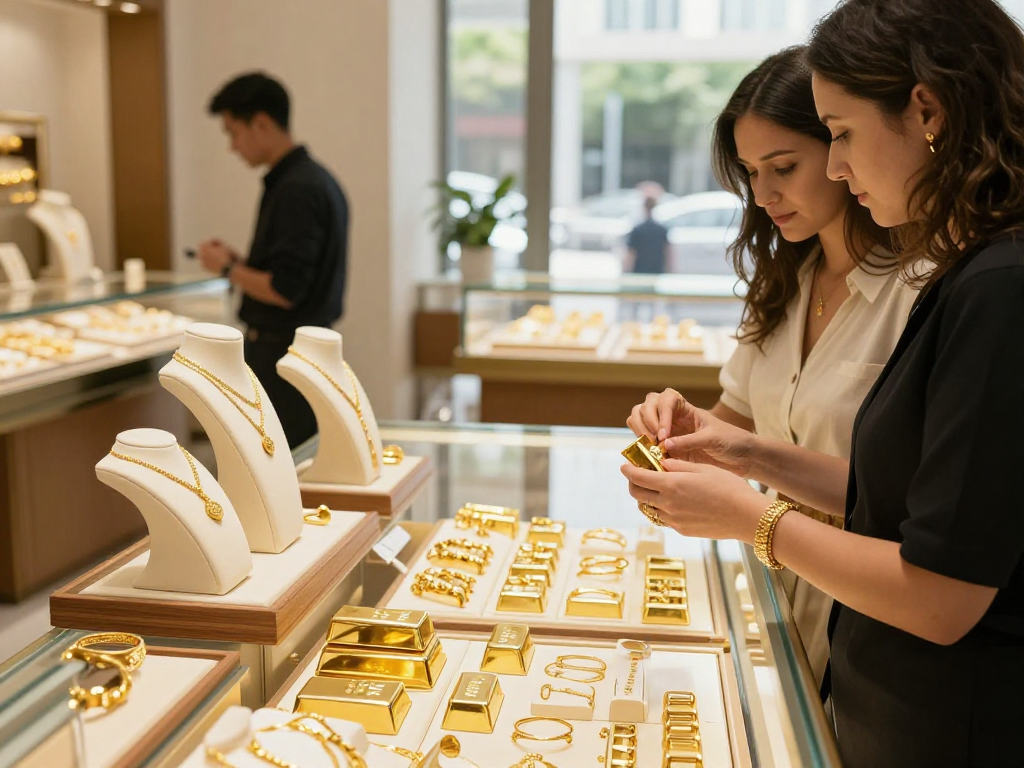
Understanding Gold Pricing in Bahrain
In recent years, Bahrain has emerged as a significant hub for gold trading, attracting both investors and consumers alike. Understanding the nuances of gold pricing in this vibrant market is crucial for anyone looking to buy, sell, or invest in gold. The value of gold fluctuates based on various factors, including global market trends, currency exchange rates, and local economic conditions. For those interested in the local gold market, a detailed overview can provide insights into making informed decisions. When exploring options, mantra 88 provides comprehensive insights into current gold prices and market conditions.
What Influences Gold Prices?
The price of gold is influenced by a multitude of factors, ranging from international demand to geopolitical stability. In Bahrain, the gold market is particularly sensitive to:
- Global Economic Factors: Changes in global markets such as stock fluctuations and economic downturns often lead to increased demand for gold as a safe investment.
- Currency Value: As gold is typically priced in US dollars, any fluctuations in the USD/BHD exchange rate can significantly affect local gold prices.
- Supply and Demand: The balance between the supply of gold and the demand from both consumers and investors plays a critical role in determining the price.
- Inflation Rates: Higher inflation usually leads to a rise in gold prices, as investors seek to hedge against inflation risks.
Daily Market Trends and Spot Prices
Gold prices in Bahrain change daily and are impacted by real-time market movements. Spot prices reflect the current market value of gold, and they can vary from the prices offered by local jewelers and dealers due to additional costs such as making charges and dealer margins. Keeping abreast of daily market trends can help buyers and sellers make informed decisions. Regular updates on the current spot prices can be found on dedicated financial news platforms or through local gold dealers.
How to Read Gold Price Tables
Understanding how to navigate gold price tables is essential for anyone involved in the buying or selling of gold. These tables typically display:
- Karat Values: Gold purity is measured in karats (K). Common values are 24K (pure gold), 22K, 21K, and 18K.
- Current Prices: Prices per gram for each karat, which change based on market conditions.
- Buy/Sell Rates: The rates at which gold can be bought or sold, including any additional fees.
Buying Gold: Types and Purity Explained
When it comes to purchasing gold, understanding the different types and purities can significantly impact your investment. Whether buying for personal use, as a gift, or as an investment, knowing what to look for is crucial.
Gold Purity: 24K, 22K, and Beyond
Gold purity is crucial when determining its value. Pure gold is rated at 24K, while most jewelry is made from 22K or 18K gold, which contains other metals to enhance durability. Here's a quick breakdown:
- 24K Gold: 99.9% pure gold, preferred for investment.
- 22K Gold: 91.6% pure gold, commonly used for high-quality jewelry.
- 18K Gold: 75% pure gold, popular for everyday wear jewelry due to its strength.
How to Assess Gold Jewelry Value
Assessing the value of gold jewelry involves more than just checking the karat. Potential buyers may consider:
- Weight: The weight of the gold piece in grams determines its base value.
- Craftsmanship: Intricate designs or brand-name pieces can add significant value.
- Condition: The condition of the jewelry also plays a role in its resale value, with well-maintained pieces fetching higher prices.
Understanding Gold Bar vs. Jewelry Investments
Investing in gold can take various forms, with gold bars and jewelry being the most common. Each has its advantages and disadvantages:
- Gold Bars: Typically offer a lower premium over spot price and are ideal for serious investors.
- Gold Jewelry: More expensive due to craftsmanship but may not retain value as effectively for investment purposes.
Safe Transactions: Best Practices for Buying and Selling Gold
Ensuring a secure transaction is paramount when dealing with gold. The process involves several essential steps to mitigate risks associated with scams or misvaluation.
How to Ensure a Secure Transaction
Before engaging in any gold transaction, follow these best practices:
- Verify the Dealer: Ensure that you're dealing with a reputable dealer or jeweler who is known in the market.
- Check Certification: Look for hallmarks or certificates that authenticate the gold's purity and quality.
- Use Secure Payment Methods: Opt for secure payment methods that provide buyer protection.
Verifying Gold Purity and Weight
Purchasing or selling gold without verifying its purity and weight can lead to loss. Always:
- Use Professional Equipment: Utilize accurate scales and testing kits to confirm weight and purity.
- Request Documentation: Ask for any certificates of authenticity or grading reports for higher-value items.
What to Expect During the Buyback Process
When selling gold back to a dealer, it's essential to understand the buyback process. Typically, this includes:
- Verification: The dealer will verify the purity and weight of the gold item.
- Price Assessment: You should receive a quote based on current market conditions.
- Secure Payment: Payment should be made securely, preferably through traceable means.
Using Technology: Gold Price Calculators
With the advancement of technology, gold price calculators have become invaluable tools for buyers and sellers. These calculators provide real-time updates, allowing users to make informed decisions.
How to Use Gold Price Calculators Effectively
Using gold price calculators is straightforward, but there are a few tips for optimal use:
- Enter Accurate Data: Input the correct weight and karat value to get an accurate estimate.
- Stay Updated: Regularly check for updated rates as prices can fluctuate rapidly.
Benefits of Real-Time Gold Price Updates
Real-time updates minimize risk by providing the most current market information, ensuring you buy or sell at the best possible price.
Apps for Tracking Gold Prices and Trends
Several mobile applications offer tracking features for gold prices. Look for apps that provide:
- Alerts: Notifications when prices reach a set target.
- Market Analysis: Insights into market trends and expert opinions.
Frequently Asked Questions About Gold Trading
Gold trading can raise many questions for newcomers. Below are some of the most common inquiries.
How Often Do Gold Prices Change?
Gold prices can change multiple times a day, influenced by global market trends and economic reports.
What Is the Best Time to Buy Gold?
The best time often depends on market trends, personal circumstances, and economic conditions. Watching market patterns is crucial.
How to Store Gold Safely?
Store gold in a secure, dry place, preferably in a safe with limited access, to prevent theft or damage.
Can I Trust Online Gold Sellers?
While many online sellers are reputable, always verify their track record and customer reviews before proceeding.
What Are the Risks of Buying Gold?
Market fluctuations can influence value, and scams are prevalent. Due diligence is essential to mitigate risks.