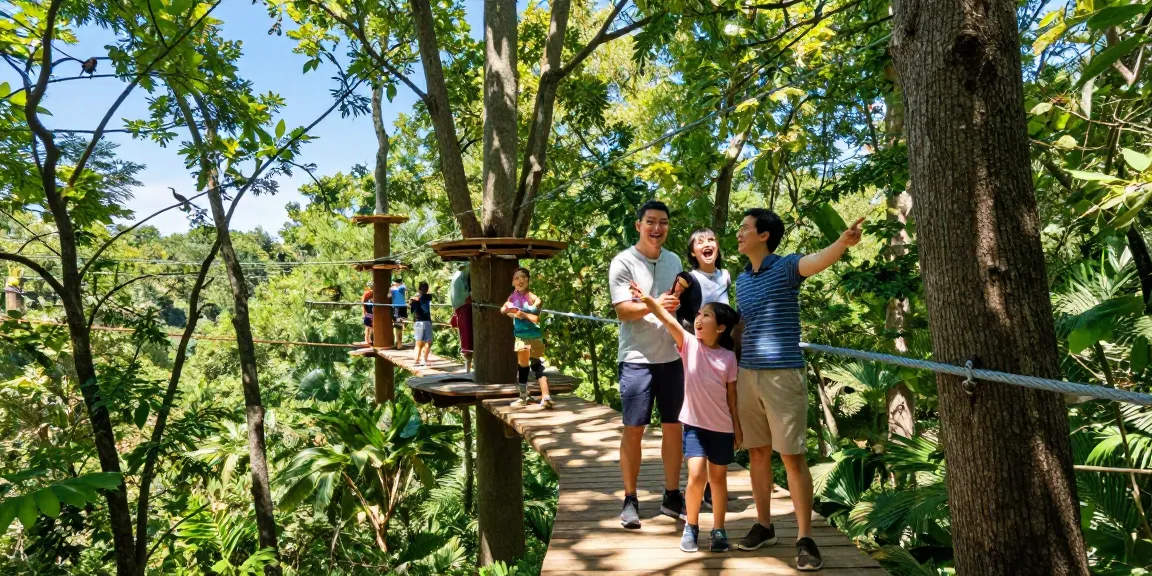
Understanding the Treetop Walkway Experience
The concept of a Treetop Walkway has captured the imagination of nature enthusiasts and adventure seekers alike. These elevated paths offer a unique perspective on forest ecosystems, allowing visitors to stroll through the treetops and experience nature from an entirely new vantage point. From the soothing rustle of leaves to the vibrant colours of flora and fauna, treetop walkways not only provide breathtaking views but also foster a deep connection to the natural world.
What is a Treetop Walkway?
A treetop walkway, often referred to as a canopy walk, is an elevated path designed for pedestrians that typically spans across trees in a forest. These structures have become popular attractions in parks and nature reserves around the world, allowing visitors to walk amongst the branches, often at heights between 10 to 70 feet above the forest floor. The design of these walkways varies, but they generally include suspended bridges, observation towers, and platforms designed to give visitors panoramic views of the surrounding landscape.
Benefits of Exploring Treetop Walkways
- Unique Perspectives: Walking high above the ground offers a fresh perspective of the environment. It changes how we perceive our surroundings and provides opportunities to see wildlife that we might miss at ground level.
- Education and Awareness: Many treetop walkways include educational signage that highlights the importance of forest ecosystems, promoting conservation and environmental stewardship.
- Physical Activity: Treetop walkways promote health and fitness by encouraging visitors to engage in physical activity in a stimulating natural environment.
- Enhanced Wildlife Encounters: The height of these walkways often allows for better wildlife spotting, including birds, insects, and sometimes even mammals that inhabit treetops.
Popular Treetop Walkways in the UK
The UK boasts several remarkable treetop walkways that attract both locals and tourists. Some of the most notable include:
- Tree Top Walkway at Kew Gardens: Located in London, Kew Gardens features a stunning canopy walkway that rises 18 metres above the ground, providing a unique view of the gardens' diverse botanical collections.
- Go Ape Grizedale: Situated in the Lake District, this treetop adventure park combines zip-lining and treetop walking, making it perfect for thrill-seekers.
- Forest of Dean Treetop Safari: This canopy walkway is part of a larger adventure experience, offering stunning views and access to thrilling treetop obstacles.
Planning Your Visit to a Treetop Walkway
When planning your excursion to a treetop walkway, several factors can enhance your experience and ensure a memorable visit.
Best Time of Year for a Treetop Walkway
Choosing the right time to visit is crucial. Spring is ideal as trees are in bloom, presenting vibrant foliage and an array of colours. Autumn also offers a spectacular display with falling leaves, while summer is perfect for spotting wildlife. Winter, although quieter, provides a serene landscape shrouded in frost or snow.
Preparation Essentials for Your Treetop Adventure
Before embarking on your adventure, it’s essential to be adequately prepared. Here are some key items to consider:
- Footwear: Wear comfortable, closed-toe shoes, preferably hiking boots or sturdy trainers to ensure safety on potentially uneven terrain.
- Weather-Appropriate Clothing: Dress in layers, as temperatures can vary significantly, especially at higher elevations.
- Water and Snacks: Stay hydrated and energized by bringing along water and light snacks, particularly for longer walks.
Travel Tips to Reach the Best Walkways
Make logistical considerations for your visit to a treetop walkway. Research public transport options or plan your driving route to ensure a smooth journey. Also, consider visiting during off-peak times to avoid crowds, which can detract from the experience.
Engaging with Nature on the Treetop Walkway
One of the biggest draws of treetop walkways is the chance to immerse yourself in nature. Here’s how to make the most of it.
Wildlife Spotting from the Treetop Perspective
High vantage points provide excellent opportunities for wildlife spotting, particularly birds and arboreal mammals. Bring along binoculars for an up-close view, and consider keeping a journal of species you encounter.
Photography Tips for Capturing the Canopy
Utilising the unique perspectives offered by treetop walkways can yield stunning photography opportunities. Here are a few tips:
- Use Natural Light: Early mornings and late afternoons offer the best lighting conditions for photography.
- Focus on Composition: Incorporate elements of the walkway itself in your shots to create depth and interest.
- Be Patient: Wildlife can be elusive; stay quiet and still for the best chances of capturing animals in their natural habitat.
Environmental Education Opportunities Along the Walkway
Many treetop walkways include educational features that highlight local flora and fauna. Engaging with these resources can enhance your understanding of forest ecosystems while providing fascinating insights into the environment.
Safety and Best Practices for Treetop Walkways
Safety should always be a priority when visiting treetop walkways. Understanding the layout and regulations can ensure a safe and enjoyable experience.
Essential Safety Guidelines for Visitors
Before you set out, review the safety guidelines provided by the walkway operators. Common regulations include age and height restrictions, as well as recommendations for non-slip shoes and safety harnesses on some adventure courses.
Understanding the Walkway Construction and Design
Treetop walkways are engineered to withstand various weather conditions and heavy foot traffic. Familiarise yourself with the design elements, including the materials used and the structure's integrity, to appreciate the safety measures in place.
Common Pitfalls and How to Avoid Them
To enhance your visit, be mindful of common pitfalls such as overcrowding and underestimating the time required to complete the walkway. It’s essential to pace yourself, particularly if visiting with children or elderly family members.
Future Trends in Treetop Walkways (2026 and Beyond)
The popularity of treetop walkways continues to rise, with several trends forecast for the coming years.
Innovations in Treetop Walkway Design
Future designs may incorporate sustainable materials and interactive features that allow visitors to engage more deeply with their surroundings, such as augmented reality experiences that provide information on local ecosystems.
Ecotourism and Its Impact on Walkway Developments
With increasing interest in sustainable travel, treetop walkways offer a low-impact way to explore nature, potentially driving further investments in eco-friendly designs and conservation efforts.
Community Involvement in Treetop Walkway Projects
Local communities are becoming more involved in the development and maintenance of treetop walkways, ensuring that these projects benefit both the environment and local economies. Community-led initiatives can enhance visitor experiences and foster a deeper connection to the natural environment.
What should I wear for a Treetop Walkway visit?
Comfortable clothing that allows for movement is recommended. As well as sturdy footwear, consider wearing breathable fabrics to accommodate varying temperatures.
Are Treetop Walkways accessible for all ages?
Many treetop walkways are designed to be accessible for people of all ages, with some featuring wheelchair-accessible paths and aids for those with mobility challenges.
How long do Treetop Walkways typically take to walk?
The duration of a treetop walk can vary greatly depending on the length of the walkway and individual walking speed, but most experiences can range from 30 minutes to a few hours.
Are there any guided tours available for Treetop Walkways?
Many sites offer guided tours to enhance your experience, providing insights into the local ecosystem and ensuring safe navigation of the walkway.
What are the best Treetop Walkways for kids?
Look for treetop walkways that feature interactive elements, such as educational displays and adventure-based activities, which offer a fun and engaging experience for children.