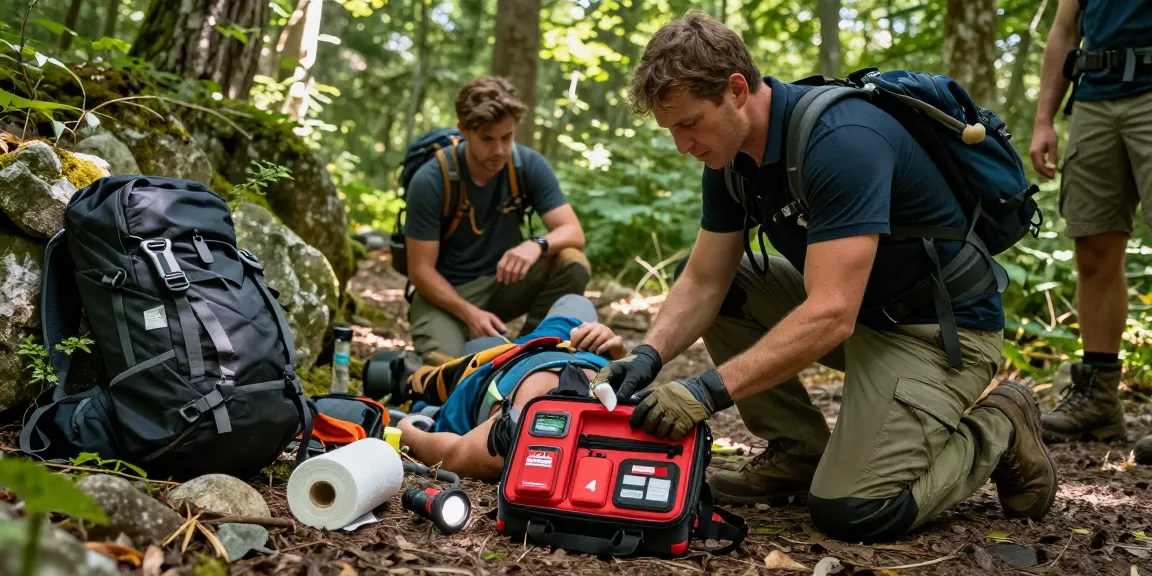
Understanding the IFAK Trauma Kit
In an unpredictable world, being prepared for medical emergencies is essential—especially for outdoor enthusiasts and those in tactical professions. The Individual First Aid Kit (IFAK) is a compact, essential toolkit designed to provide immediate medical assistance in emergencies, from wilderness accidents to battlefield injuries. Understanding the components and significance of an IFAK Trauma Kit can be the difference between life and death in critical situations. When exploring options, an IFAK Trauma Kit offers comprehensive insights into advancing your preparedness.
What is an IFAK Trauma Kit?
An IFAK Trauma Kit is a portable first aid kit intended for individual use, ideally suited for situations requiring immediate response to traumatic injuries. Unlike general first aid kits, which may contain a variety of supplies for minor injuries, the IFAK is specifically tailored to treat severe traumas such as gunshot wounds, severe bleeding, and other life-threatening conditions. Its design focuses on efficiency, enabling quick access to essential supplies that can stabilize a patient until professional medical help arrives.
Key Components of a Quality IFAK
A well-equipped IFAK typically includes the following key components:
- Tourniquet: Essential for controlling severe bleeding from limbs.
- Trauma Dressings: Specifically designed to manage large wounds and absorb blood.
- Gauze Pads: For dressing smaller wounds and absorbing fluids.
- Antiseptic Wipes: To cleanse the wound area before treatment.
- Adhesive Tape: Used to secure dressings and gauzes in place.
- Ambu Bag or Ventilation Mask: For respiratory support if needed.
Each component is vital to ensuring that the kit serves its purpose effectively under various emergency scenarios.
Importance of IFAK Kits for Outdoor Enthusiasts
Outdoor activities, whether hiking, camping, or exploring remote areas, come with inherent risks. An IFAK Trauma Kit is especially important for these enthusiasts as it provides the means to address emergencies on-site, reducing the risk of complications caused by delayed medical response. Many outdoor locations are far from immediate medical facilities, making it critical for individuals to carry their own supplies. Moreover, the knowledge of how to utilize an IFAK effectively can empower outdoor enthusiasts to respond to injuries confidently and competently.
Features to Consider When Choosing an IFAK Trauma Kit
Size and Portability for Hiking and Camping
When selecting an IFAK for outdoor activities, size and portability are critical factors. The kit should be compact enough to fit into your backpack without adding excessive weight. Look for options that offer a balance between comprehensive supplies and compact design. Some IFAKs come with MOLLE (Modular Lightweight Load-carrying Equipment) compatibility, allowing for easy attachment to backpacks or belts.
Durability and Weather Resistance
Outdoor environments can be harsh, so the materials used in your IFAK must be durable and weather-resistant. Kits made with high-quality nylon or similar materials can withstand the rigors of the wilderness. Waterproof or water-resistant features are also beneficial, protecting the contents from moisture and ensuring they remain functional when needed.
Essential Medical Supplies Included in Your Kit
While it may be tempting to purchase a pre-assembled IFAK, ensure it contains the essential medical supplies necessary for your specific needs. For example, if you anticipate activities with higher risks of traumatic injuries, prioritize kits that include tourniquets, pressure bandages, and advanced trauma dressings. Customization options allow you to modify your kit to better fit your activities and environment.
Real-World Applications of IFAK Trauma Kits
Case Study: Wilderness Rescue Scenarios
In a wilderness rescue scenario, an IFAK can play a pivotal role in stabilizing an injured hiker who has fallen and sustained a severe laceration. Responders with an IFAK can quickly apply a tourniquet and manage bleeding, significantly increasing the hiker's chances of survival until professional medical services can reach the location. This real-world application illustrates how critical it is to have the right tools and knowledge at hand during an emergency.
IFAK Kits in Military and Tactical Use
In military and tactical settings, IFAK Trauma Kits are standard issue for soldiers and operators. These kits are designed to be easily accessible and quickly utilized in high-stress environments. The importance of an IFAK becomes apparent on the battlefield, where seconds can save lives. Training in the use of IFAK kits is a fundamental part of military preparation, ensuring every soldier knows how to respond to traumatic injuries effectively.
Personal Stories: Experiences with IFAK Kits
Many outdoor enthusiasts have shared personal stories highlighting the life-saving impacts of IFAK kits. For example, a hiker recounts a time when a friend suffered a deep cut from a fall. Thanks to their IFAK, they were able to apply pressure and dress the wound, preventing further blood loss until help arrived. Such experiences underscore the importance of being prepared with an IFAK during outdoor adventures.
Best Practices for Using an IFAK Trauma Kit
How to Properly Administer Basic First Aid
Effective use of an IFAK requires knowledge of basic first aid principles. Familiarize yourself with the contents of your kit and practice how to use each item. Key techniques include applying direct pressure to wounds, using tourniquets correctly, and how to perform CPR if necessary. Training courses in first aid and CPR can greatly enhance your confidence and competence in emergency situations.
When to Seek Professional Medical Help
While IFAK kits are invaluable in emergencies, knowing when to seek professional medical help is equally important. If the injury is severe—such as significant bleeding that doesn’t stop with direct pressure or multiple traumatic injuries—calling for advanced medical assistance should be your priority. Additionally, if you are unsure about the severity of an injury, it's always better to err on the side of caution and seek help.
Training and Preparation for Outdoor Emergencies
Training in wilderness first aid can prepare you for various emergencies. Many organizations offer courses that provide hands-on experience with IFAK use, covering how to respond to injuries in remote locations. Regular practice and refreshers on skills learned in training can help ensure that you are ready to act calmly and effectively when an emergency occurs.
Future Trends in IFAK Trauma Kits (2026 and Beyond)
Innovative Materials and Design Improvements
As technology progresses, the materials used in IFAK kits are expected to evolve, featuring lighter, stronger, and more durable fabrics. Innovations may include antimicrobial treatments to reduce infection risks and designs that allow for easier access to supplies. Ergonomic designs that enhance usability in critical situations are likely to become standard.
Integration of Technology in First Aid Kits
The future of IFAK Trauma Kits may also see increased integration of technology. From smart bandages that monitor wounds to mobile apps that provide step-by-step first aid instructions, technology can enhance the effectiveness of emergency response. Wearable devices that can alert medical personnel in the event of an injury are also on the horizon.
Predictions for Emergency Preparedness in Outdoor Activities
As awareness of the importance of emergency preparedness grows, more outdoor enthusiasts are likely to carry IFAK kits. Educational initiatives that stress the significance of having a responsive plan and proper training will empower individuals to take charge of their safety. Increased community focus on preparedness may lead to more comprehensive training programs available to outdoor adventurers.
What are the essential items in an IFAK Trauma Kit?
Essential items typically include a tourniquet, trauma dressings, gauze pads, antiseptic wipes, adhesive tape, and respiratory support supplies. Tailoring your kit to your specific activities is crucial for optimal effectiveness.
How do I choose the right IFAK Trauma Kit for my needs?
Consider your activities, potential risks, and personal medical experience when choosing an IFAK. Opt for a kit that contains essential items for the types of injuries you might anticipate while also being portable and durable.
Can I use an IFAK Trauma Kit for home emergency situations?
Yes, an IFAK can also be beneficial for home emergencies. It is designed to treat severe injuries, which can occur in domestic settings as well. Having immediate access to these supplies can provide critical first response care.
What training is recommended for using IFAK Trauma Kits?
It is advisable to undergo training in basic first aid and CPR. Many organizations offer specialized courses focused on trauma care that can prepare you for both outdoor and home emergencies.
How often should I update my IFAK Trauma Kit supplies?
Regularly check and restock your IFAK supplies—at least once a year or after every significant outdoor activity. Replace expired items and assess the contents to ensure they meet your current needs.