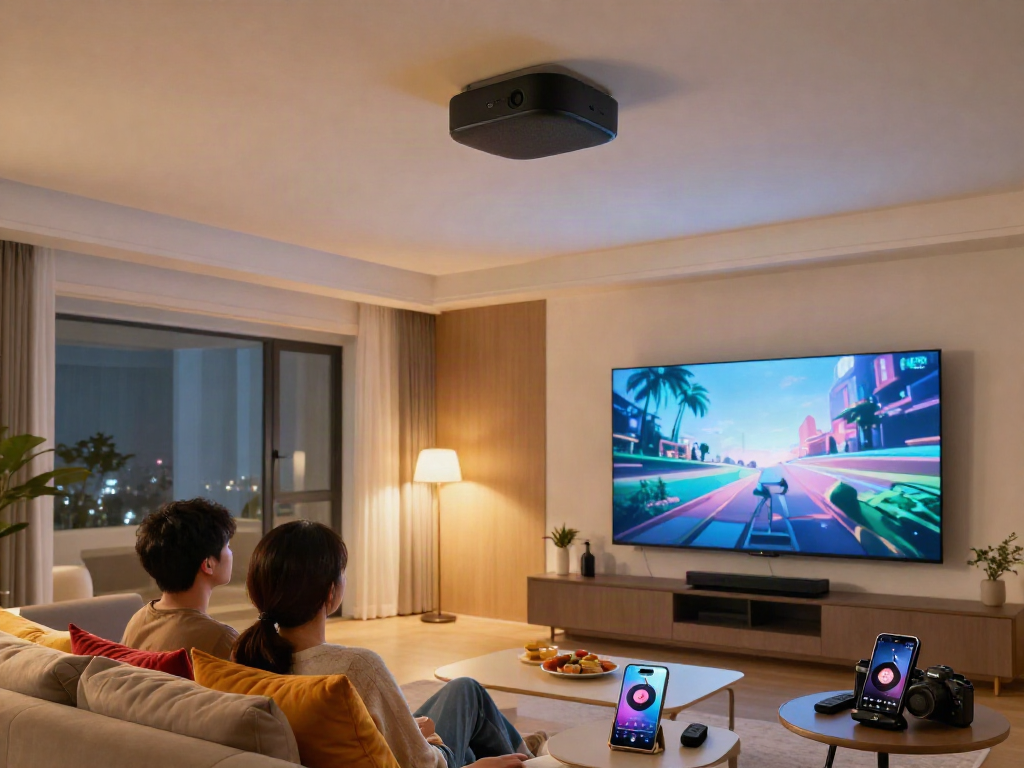
Understanding Ceiling Speakers: What You Need to Know
Ceiling speakers have become a popular choice for audio enthusiasts and homeowners seeking a seamless sound experience. Unlike traditional floor or shelf speakers, ceiling speakers are installed directly into the ceiling, creating a clean, unobtrusive aesthetic while delivering impressive sound quality. When exploring options, خرید اسپیکر سقفی can be incredibly beneficial, allowing users to enjoy high-quality audio without cluttering their living spaces.
What Are Ceiling Speakers?
Ceiling speakers are a form of in-ceiling loudspeakers designed for low-profile installation. They are typically circular and include a grille that blends into the ceiling, making them less visible than conventional speakers. These speakers can vary from basic models designed for background music to high-end systems designed for immersive audio experiences. Many ceiling speakers come with integrated tweeters and woofers, providing a full range of sound suitable for various audio applications.
Benefits of Installing Ceiling Speakers in Your Home
Installing ceiling speakers offers numerous advantages including:
- Space-Saving Design: Ideal for smaller rooms where floor space is at a premium.
- Cleaner Aesthetic: Provides a streamlined look without visible wires or bulky speaker units.
- Enhanced Audio Experience: Offers a surround sound experience, especially when used in multi-room audio setups.
- Flexibility in Placement: Allows for optimal sound placement and can be positioned to minimize visual impact.
- Increased Property Value: Offers a modern upgrade that can enhance the appeal of your home.
Common Misconceptions About Ceiling Speakers
There are several misconceptions about ceiling speakers that can lead to hesitation when considering them:
- Sound Quality: Many believe that ceiling speakers cannot match the sound quality of traditional speakers, but advancements in technology have improved their performance significantly.
- Installation Complexity: While installation requires some planning, many ceiling speakers come with user-friendly designs that facilitate ease of installation.
- Limited Use Cases: Some think ceiling speakers are only suitable for music, but they work well for home theater systems, gaming, and general audio playback.
Choosing the Right Ceiling Speaker for Your Space
When selecting the ideal ceiling speakers, it’s crucial to consider various factors that can impact your audio experience. Understanding your options and the specific requirements of your space will ensure you make an informed decision.
Factors to Consider When Buying خرید اسپیکر سقفی
The following factors are essential when making your decision:
- Room Size: Larger rooms may require speakers with higher wattage for adequate sound coverage, while smaller spaces can utilize more compact models.
- Sound Quality: Look for speakers with good frequency response and sensitivity ratings to ensure a rich sound.
- Installation Type: Choose between passive speakers that require an amplifier or powered speakers that include built-in amplification.
- Design and Aesthetics: Select speakers that will blend well with your ceiling decor and personal style.
- Budget: Consider your financial constraints while ensuring you invest in quality products.
Different Types of Ceiling Speakers Explained
Ceiling speakers come in several types, each serving different purposes:
- Standard Ceiling Speakers: Basic speakers that deliver reliable sound for background music.
- In-Wall/Out-Door Speakers: Designed for both indoor and outdoor use, offering versatility for different environments.
- Subwoofers: Floor-mounted or ceiling-mounted subwoofers designed to enhance bass response.
- Multi-Room Systems: Networked speakers that provide synchronized audio throughout the home.
How to Assess Room Acoustics and Speaker Placement
The acoustics of a room significantly affect sound quality, making it essential to evaluate how sound travels in your space. Conduct an assessment by:
- Listening to music in various areas of the room to determine hotspots.
- Using sound absorption materials to minimize echoes, if necessary.
- Placing speakers at an optimal height and distance for the best sound distribution.
Installation Insights: Professional vs. DIY
Deciding whether to install ceiling speakers yourself or hire a professional can impact the overall success of the project. Both options have their benefits and drawbacks.
Advantages of Professional Ceiling Speaker Installation
Choosing a professional installer can bring several advantages:
- Expertise: Professionals often have extensive experience and knowledge of sound systems.
- Time Efficiency: Installation can often be done more quickly and effectively by a professional.
- Customization: They can offer tailored solutions to fit specific needs and preferences.
- Warranty: Many professionals provide warranties for their work, giving peace of mind.
DIY Installation: Step-by-Step Guide
If you are inclined to tackle the project yourself, follow these steps:
- Choose the speaker locations based on your room acoustic analysis.
- Turn off power and mark the areas where the speakers will be installed.
- Cut holes in the ceiling for the speakers and run necessary wires through.
- Connect the speakers to your audio system according to the manufacturer's instructions.
- Secure the speakers into place and restore power to test sound quality.
Common Installation Mistakes to Avoid
While installing ceiling speakers, keep an eye out for these common mistakes:
- Incorrect Placement: Avoid placing speakers too close to walls, which can distort sound.
- Neglecting Wiring: Ensure all wiring is safely secured and follows building codes.
- Overlooking Power Needs: Ensure your audio system can support the wattage of the speakers.
- Not Testing Before Final Installation: Always test sound quality before completing the installation to ensure optimal performance.
Optimizing Sound Quality from Your Ceiling Speakers
Once your ceiling speakers are installed, fine-tuning them for optimal sound quality is crucial for an immersive audio experience. This involves both tuning the system and understanding best practices for calibration.
Tuning Your System for Optimal Performance
To achieve the best sound quality:
- Use an equalizer to adjust frequencies according to your listening preferences.
- Pay attention to speaker phase; ensure all speakers are wired in phase to avoid sound cancellation.
- Consider room correction technology that automatically adjusts sound settings based on the room's acoustics.
Best Practices for Speaker Calibration
Calibrating your ceiling speakers involves:
- Measuring distances from each speaker to the listening area to adjust levels accordingly.
- Using calibration tools or software that provides feedback on frequency response and sound levels.
- Adjusting volume levels for each speaker to ensure a balanced audio experience.
Enhancing Audio Experience with Additional Equipment
Consider integrating additional equipment to enhance your audio experience:
- Subwoofers: Add a dedicated subwoofer to improve low-frequency performance.
- Audio Processors: Use devices that can enhance and clarify sound quality.
- Smart Speakers: Incorporate smart technology for voice control and connectivity options.
Future Trends in Ceiling Speaker Technology
The audio industry is continually evolving, and ceiling speaker technology is no exception. Understanding these trends can prepare you for future advancements.
Innovations in Audio Technology for 2026 and Beyond
In the coming years, expect to see:
- Improved Wireless Technologies: Enhanced wireless capabilities for easier installation and streaming.
- Advanced DSP: Digital signal processing improvements that provide more accurate sound reproduction.
- Integration with AI: Incorporating artificial intelligence to optimize sound based on user preferences and room acoustics.
Smart Home Integration: Ceiling Speakers in the Digital Age
As smart home technology becomes more prevalent, ceiling speakers are likely to integrate seamlessly with various smart devices, enabling features such as:
- Voice control for effortless operation.
- Streaming from multiple sources without the need for physical connections.
- Automation for a synchronized audio experience across different rooms.
Predictions for the Future of Home Audio Systems
Looking ahead, we can expect:
- Continued growth in multi-room audio systems for whole-house sound.
- Increased popularity of customizable sound profiles for various activities.
- Greater emphasis on eco-friendly materials and energy-efficient products in speaker manufacturing.
What Are the Best Brands for Ceiling Speakers?
Some of the leading brands in the ceiling speaker market include:
- Sonos: Known for high-quality sound and easy integration with smart home technology.
- Klipsch: Offers premium speakers renowned for their exceptional sound quality.
- Polk Audio: Provides reliable and affordable options for average consumers.
- JBL: Known for both affordability and impressive sound performance.
How Much Should You Expect to Spend on Ceiling Speakers?
The cost of ceiling speakers varies widely based on brand, features, and sound quality. On average, you can expect to pay:
- Entry-level models: $50 - $100 each
- Mid-range options: $100 - $300 each
- High-end speakers: $300 and above each
Keep in mind that professional installation can add additional costs, typically ranging from $100 to $500 depending on the complexity of the job.
Can Ceiling Speakers Work with Existing Audio Systems?
Yes, ceiling speakers can be integrated with most existing audio systems, provided that they match in terms of power and impedance. It’s important to ensure compatibility, especially if you are mixing brands.
What’s the Average Lifespan of Ceiling Speakers?
Ceiling speakers typically have a lifespan of 10 to 20 years, depending on factors such as usage, installation quality, and environmental conditions. Regular maintenance can extend this lifespan significantly.
How Do Ceiling Speakers Compare to Traditional Speakers?
Ceiling speakers and traditional speakers serve different purposes and environments. While traditional speakers generally provide superior sound quality and bass response, ceiling speakers offer a discreet audio solution that can effectively deliver sound throughout a space without compromising aesthetics. The choice ultimately depends on your specific audio needs and room setup.