
Understanding Off-Roading Basics
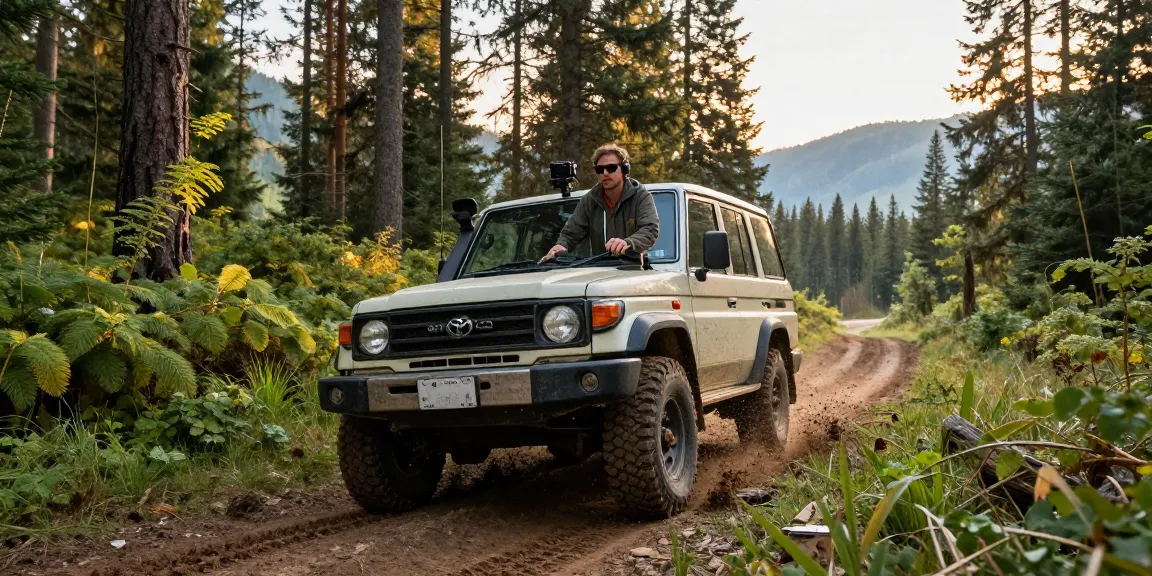
Off-roading is an exhilarating adventure that offers the unique thrill of exploring rugged terrains, where conventional vehicles fear to tread. For enthusiasts like David Vepraskas, who has extensive experience in both off-roading and the construction industry, this passion merges the excitement of motorsports with the challenges of mechanical precision. Whether you’re tearing up dirt trails or conquering rocky inclines, having a solid understanding of off-roading is crucial for both safety and enjoyment. When exploring options, David Vepraskas Atlanta provides comprehensive insights into this engaging pastime.
What is Off-Roading?
Off-roading refers to driving vehicles on unpaved surfaces, including trails, fields, mountains, and other outdoor settings that require specialized vehicles designed for such conditions. This sport can involve four-wheel drive vehicles, dirt bikes, ATVs, and even specialized trucks. The allure of off-roading lies in its ability to allow individuals to navigate natural landscapes, offering both solitude and camaraderie among fellow enthusiasts.
Essential Off-Roading Gear
To ensure a successful off-roading experience, having the right gear is essential. Here’s a list of must-have items:
- Helmet: Safety should always come first. A durable helmet protects your head during rides.
- Off-Road Tires: Specialized tires provide better traction and stability on uneven surfaces.
- Winch: A winch is invaluable for recovery situations when vehicles get stuck.
- First Aid Kit: Be prepared for any accidents with a well-stocked first aid kit.
- Navigation Tools: GPS devices and maps are crucial for exploring new trails safely.
Safety Tips for Off-Road Riding
Safety is paramount when venturing off the beaten path. Here are key practices to follow before hitting the trails:
Conducting Pre-Ride Vehicle Inspections
Always perform a thorough inspection of your vehicle before heading out. Check fluid levels, tire pressure, and the overall condition of critical components like brakes and suspension. A well-maintained vehicle not only enhances your off-roading performance but also greatly reduces the risk of breakdowns.
Understanding Trail Etiquette
Respecting the environment and fellow adventurers is crucial. Stay on marked trails, yield to hikers and bikers, and minimize your impact on nature. Being courteous fosters a positive atmosphere in the off-roading community.
Recognizing Potential Hazards on the Trail
Be aware of common hazards such as steep inclines, loose rocks, and water crossings. Always scout ahead for dangers that could lead to accidents, and ensure that everyone in your party is informed of the trail conditions.
Techniques to Enhance Your Off-Roading Experience
Mastering off-roading requires not just the right vehicle but also effective techniques. These can greatly improve your skills and enjoyment during drives.
Mastering Vehicle Control on Rough Terrain
Learning how to control your vehicle on uneven surfaces is key. Techniques such as throttle control, steering adjustments, and using momentum can help navigate tricky situations. Practice these skills in controlled environments before attempting more challenging trails.
Importance of Effective Navigation Tools
Utilizing reliable navigation tools is vital in off-roading, especially when exploring unfamiliar terrains. GPS devices, offline maps, and compass skills can prevent you from getting lost and enhance your adventure with new trails to discover.
Tips for Riding in Different Weather Conditions
Weather can significantly impact your off-roading experience. Always check forecasts and be prepared for sudden changes. In rain, reduce speed and increase following distances to maintain control on slippery surfaces. In winter, equip your vehicle with snow tires and carry extra gear for emergencies.
David Vepraskas’ Off-Roading Insights
With years of experience under his belt, David Vepraskas has invaluable insights that can benefit both novice and seasoned off-roaders. His personal stories from the trails add depth to the understanding of this adventurous sport.
Personal Stories from the Trails
David recalls instances where the thrill of off-roading transcended mere recreation, leading to bonding moments with friends and family. Each journey is a reminder of the freedom and exhilaration that comes from conquering nature’s obstacles.
Interviews with Off-Roading Experts
In conversations with fellow enthusiasts and professionals, David highlights the diversity of perspectives on off-roading, from risk management to the importance of community engagement in preserving trails.
Lessons Learned After Years of Off-Roading
Every journey has taught David lessons of patience, preparedness, and respect for the environment. These experiences are essential for fostering a culture of safety and sustainability within the off-roading community.
Future Trends in Off-Roading
The off-roading landscape is constantly evolving, influenced by technological advancements and changing societal values. Here are some emerging trends to watch for.
Innovations in Off-Road Vehicle Technology
New technologies such as electric vehicles and advanced all-wheel-drive systems are making off-roading more accessible. These innovations enhance performance while also addressing environmental concerns.
The Rise of Eco-Friendly Off-Roading Practices
With growing awareness about environmental preservation, off-roaders are increasingly adopting eco-friendly practices. This includes choosing sustainable trails and minimizing waste during excursions.
Community and Events in the Off-Roading World
Events promoting off-roading foster community spirit and encourage responsible riding practices. Participating in local meets or competitions can enhance skills while connecting with like-minded enthusiasts.
What are the best beginner tips for off-roading?
Start with a vehicle that suits your skill level, invest in proper gear, and always ride with experienced friends. Practice in familiar areas before tackling advanced trails.
How to choose the right off-roading trails?
Research trails based on difficulty level, consider the vehicle specifications, and always prioritize safety features. Local forums and off-roading groups can provide valuable insights.
What safety equipment is essential for off-roaders?
Always carry a first aid kit, a fire extinguisher, and a reliable communication device. Recovery gear such as straps and shovels is also crucial for unexpected situations.
How can I improve my off-roading skills?
Participate in off-roading courses, practice regularly, and seek feedback from experienced drivers to refine your skills on varied terrains.
What are the latest trends in off-road vehicles?
Watch for advancements in hybrid technology, lightweight materials, and integrated smart features that enhance driving performance and user experience.


