
Understanding Community Advocacy in Toronto
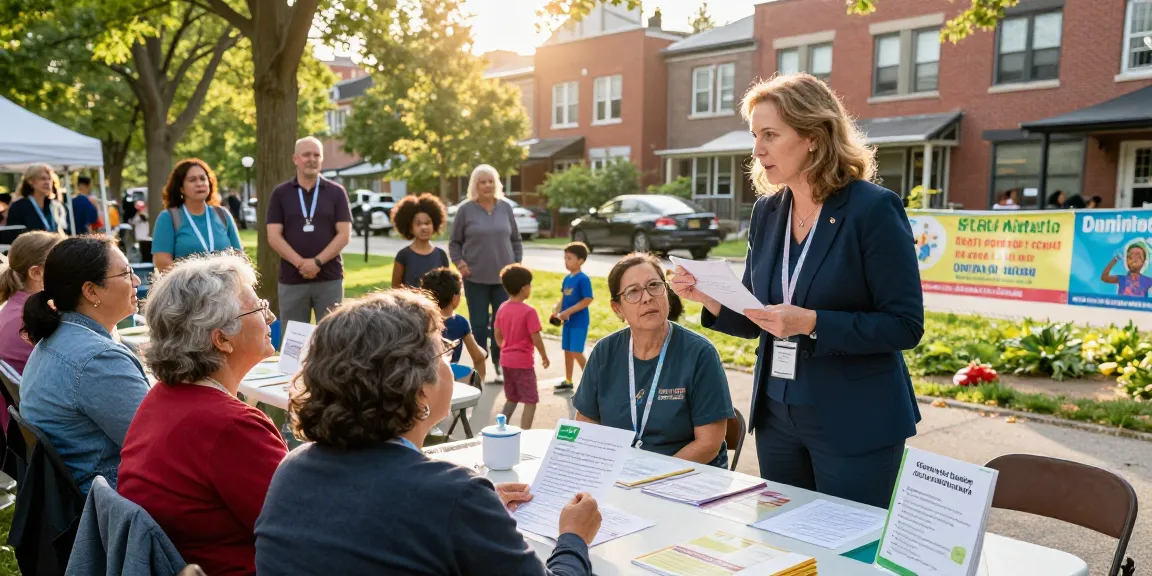
Community advocacy plays a vital role in shaping public policies and enhancing the quality of life for residents in urban environments. In Toronto, where diverse populations intersect, the need for effective advocacy becomes even more pronounced. Through the efforts of individuals like Karen McCleave Toronto, who has dedicated more than 30 years to public service, community engagement can transform the landscape of civic involvement. This article delves into the intricacies of community advocacy, the importance of legal expertise, and the ways in which individuals and organizations can foster sustainable engagement in Toronto.
What is Community Advocacy?
Community advocacy refers to the active promotion of social, political, and economic changes that benefit a particular community or group. This involves raising awareness of issues, mobilizing resources, and influencing decision-makers to address the needs and rights of residents. Advocates act as intermediaries between marginalized groups and governmental entities, ensuring that the voices of all community members are heard and represented.
The Role of Legal Experts in Community Support
Legal experts, such as Karen McCleave, play an instrumental role in community advocacy. Their extensive knowledge of the legal system allows them to navigate complex issues that affect individuals and communities. By providing legal support, these professionals can empower residents to understand their rights and access the necessary resources to advocate for changes that improve their circumstances.
Challenges Faced by Advocates in Urban Settings
Community advocates in urban settings like Toronto encounter a range of challenges. These may include bureaucratic barriers, limited funding, and a lack of awareness among community members about available resources. Moreover, urban advocates often work within diverse populations that may have competing interests, making it necessary to balance these needs while pushing for collective goals.
Insights from Karen McCleave’s Career
Background and Experience of Karen McCleave Toronto
With over three decades of service as an Assistant Crown Attorney, Karen McCleave has built a distinguished career characterized by her commitment to justice and community well-being. Her experience in the Ontario and Superior Courts of Justice has provided her with deep insights into the legal challenges faced by individuals in various contexts. McCleave’s work has focused on not only prosecuting cases but also advocating for systemic changes that enhance community safety and support vulnerable populations.
Key Cases and Impact on the Community
McCleave has been involved in many significant cases that highlight the importance of community advocacy. Through her legal work, she has addressed issues such as domestic violence, child protection, and public safety. Each case has contributed to shaping policies that promote justice and equality, as well as establishing best practices for how legal entities can collaborate with community organizations to achieve meaningful outcomes.
Lessons Learned from Over 30 Years of Advocacy
Throughout her extensive career, Karen McCleave has distilled several key lessons regarding effective advocacy:
- The importance of relationships: Building trust within the community is crucial for successful advocacy.
- Collaborative efforts: Working alongside local organizations can amplify voices and enhance resource allocation.
- Adaptability: Being responsive to the evolving needs of the community ensures that advocacy efforts remain relevant.
- Ongoing education: Continuous learning about legal changes and community needs empowers advocates to act effectively.
Effective Strategies for Community Engagement
Building Trust within the Community
Establishing trust is essential for any advocacy initiative. Advocates must engage directly with community members, listen to their concerns, and demonstrate genuine commitment to their well-being. Regular meetings, workshops, and feedback sessions can help foster a collaborative atmosphere where community members feel valued.
Utilizing Social Media for Outreach
In today’s digital age, social media serves as an invaluable tool for community engagement. Advocates can use platforms like Facebook, Twitter, and Instagram to share resources, organize events, and raise awareness about pressing issues. Tailoring messages to resonate with specific demographics can enhance outreach efforts and encourage broader participation.
Creating Collaborative Partnerships with Local Organizations
Collaborating with local organizations enhances the legitimacy and impact of advocacy initiatives. By leveraging the strengths of various stakeholders, advocates can create comprehensive strategies to address community needs. This may involve sharing resources, co-hosting events, or jointly advocating for policy changes that align with mutual goals.
Legal Frameworks Supporting Community Advocacy
Understanding Ontario’s Legal Support Systems
Ontario has established various legal frameworks that support community advocacy. These systems aim to protect individual rights and provide avenues for addressing grievances. Understanding these frameworks is essential for advocates as it enables them to effectively navigate the legal landscape and utilize available resources to support their initiatives.
Rights and Resources Available for Community Members
Community members in Ontario have access to numerous rights and resources designed to protect them and promote their interests. These include legal aid programs, human rights commissions, and community support services. Advocates must stay informed about these resources to guide individuals in accessing the support they need.
Advocating for Policy Changes in Toronto
Effective advocacy often involves lobbying for policy changes that address systemic issues affecting the community. This process requires a deep understanding of local governance, legislative processes, and the ability to mobilize community members. By articulating clear, evidence-based arguments, advocates can influence decision-makers to implement policies that benefit the wider community.
Future Trends in Community Advocacy for 2026
Innovation in Community Services and Legal Aid
As we look toward 2026, innovation will play a significant role in community advocacy. The integration of technology in service delivery and legal aid can enhance accessibility and efficiency. For example, virtual legal clinics and online advocacy platforms can provide individuals with immediate support and guidance, mitigating the barriers posed by distance and mobility.
Emerging Challenges and Opportunities
The landscape of community advocacy will continue to evolve, bringing both challenges and opportunities. Advocates will need to navigate issues such as increased demands for services, funding constraints, and emerging social justice movements. By remaining adaptable and resourceful, advocates can turn these challenges into opportunities for growth and impact.
Predictions for the Role of Advocacy in Urban Areas
Looking ahead, community advocacy in urban areas will likely become even more critical as cities confront complex societal issues. The role of advocates will expand to include not only legal support but also holistic approaches that address health, education, and social equity. By fostering collaborative relationships across sectors, advocates can create comprehensive solutions that meet the diverse needs of urban populations.
What resources are available for community members in Toronto?
Toronto offers a rich array of resources for community members. These include legal aid clinics, community centers, and non-profit organizations that provide services ranging from mental health support to job training. Engaging with these resources can empower residents to take an active role in their advocacy efforts.
How can legal experts effectively support community initiatives?
Legal experts can support community initiatives by offering pro bono services, engaging in public education efforts, and collaborating with community organizations to address systemic issues. Their expertise can help navigate the complexities of the law, ensuring that community members are informed and empowered.
What role does Karen McCleave play in Toronto’s advocacy landscape?
As a seasoned legal professional, Karen McCleave has been a pivotal figure in Toronto’s advocacy landscape. Her extensive experience and commitment to community well-being have made her a trusted advocate for residents facing legal challenges. Through her work, she continues to influence policy and elevate the voices of those she serves.
How can community members get involved in advocacy?
Community members can get involved in advocacy by volunteering with local organizations, attending community meetings, and participating in initiatives aimed at raising awareness about important issues. By engaging with others who share similar interests, individuals can amplify their voices and contribute to meaningful change.
What are the future challenges for community advocates?
Future challenges for community advocates may include adapting to shifts in policy, managing limited resources, and addressing the needs of increasingly diverse populations. Advocates will need to remain vigilant and proactive in developing strategies that respond to these evolving dynamics.


